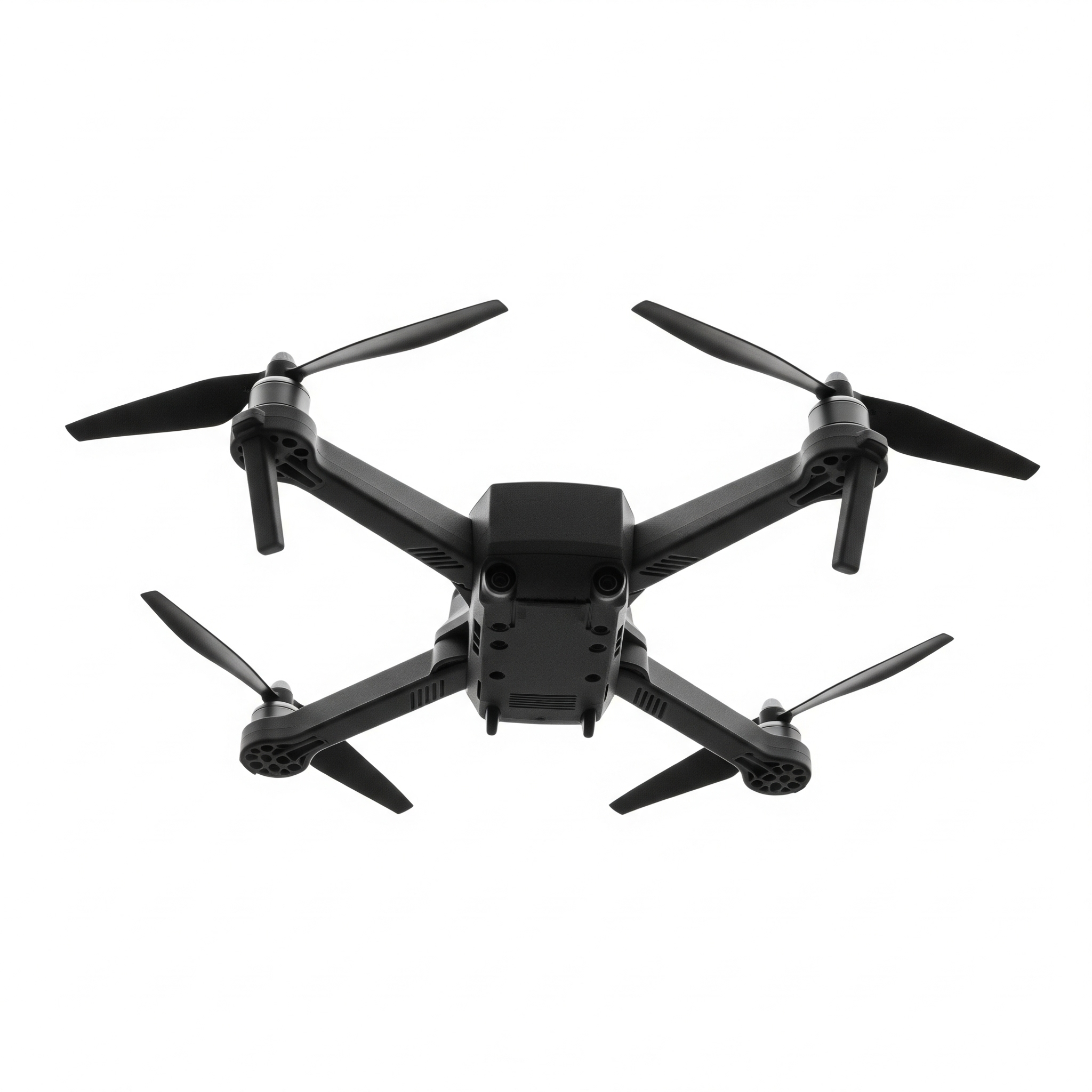
The Role of Drones in Agriculture
In modern farming, drones are essential tools for a practice called precision agriculture. Instead of relying on guesswork, farmers can use drones to collect detailed data about their fields.
- Crop Health Monitoring: Drones equipped with special cameras (like multispectral sensors) can see things the human eye can't. They can identify areas of the field that are stressed, lack nutrients, or are infested with pests, allowing farmers to intervene before problems get out of hand.
- Irrigation Management: By flying over fields, drones can create thermal and visual maps that show which areas are dry and need water, helping farmers conserve a precious resource.
- Precision Spraying: Some drones are designed to carry and apply fertilizers or pesticides. This allows for targeted application to specific plants or problem areas, reducing waste and minimizing the use of chemicals.
In modern farming, drones are essential tools for a practice called precision agriculture. Instead of relying on guesswork, farmers can use drones to collect detailed data about their fields.
This data-driven approach helps farmers optimize their crop yields and operate more efficiently and sustainably.
Challenge: Precision Farming
Your mission is to survey different sunflower fields, ensuring that you hit all of the of the required fields.
Your Goal: Guide the drone to each of the designated sunflower squares on the map. Each square will give you one survey point. Once you have surveyed all spots then land at the target location. Some obstacles you can fly over if they are under 300 feet.
Code Your Drone
Drone Simulation