The Role of Drones in Public Safety
Drones are increasingly used in public safety to enhance the effectiveness and safety of law enforcement and fire departments.
How Drones Help
- Search and Rescue: Drones with thermal cameras and high-resolution imaging can quickly scan large or difficult-to-access areas to locate missing persons, especially at night or in dense forests. They are also invaluable in disaster situations like earthquakes and floods to find trapped survivors.
- Firefighting: For fire departments, drones provide real-time aerial surveillance of a fire's perimeter, helping to identify hotspots invisible to the naked eye. This allows for better resource allocation and minimizes risks to firefighters. Some drones can even be equipped with foam dispensers or water cannons for initial fire suppression.
- Situational Awareness: Drones offer a "bird's-eye view" of an incident, such as an active shooter situation, hostage crisis, or car chase. This real-time intelligence allows first responders to make more informed decisions before entering a dangerous scene.
- Accident and Crime Scene Reconstruction: Drones can quickly and accurately capture hundreds of photos from various angles to create detailed 3D models of accident or crime scenes. This speeds up the process of clearing the area while providing comprehensive evidence for later analysis and legal proceedings.
- Crowd and Traffic Monitoring: At large public events, protests, or during major traffic incidents, drones can monitor crowd movements, identify potential disturbances, and direct officers to areas of congestion.
- Privacy: The use of drones for surveillance, especially in public areas, raises questions about individual privacy and the potential for a "big brother" atmosphere. There is a need for clear policies on how data is collected, stored, and used.
- Public Trust: To ensure public acceptance, law enforcement agencies must be transparent about their drone programs, including their purpose and limitations, and engage with the community to build trust.
- Legal Frameworks: The legal landscape for drone use is still evolving, with ongoing debates about regulations that balance public safety with civil liberties.
Ethical Considerations and Challenges
While the benefits are significant, the use of drones in public safety also raises important ethical and legal concerns:
Examples of Drones Used in Public Safety
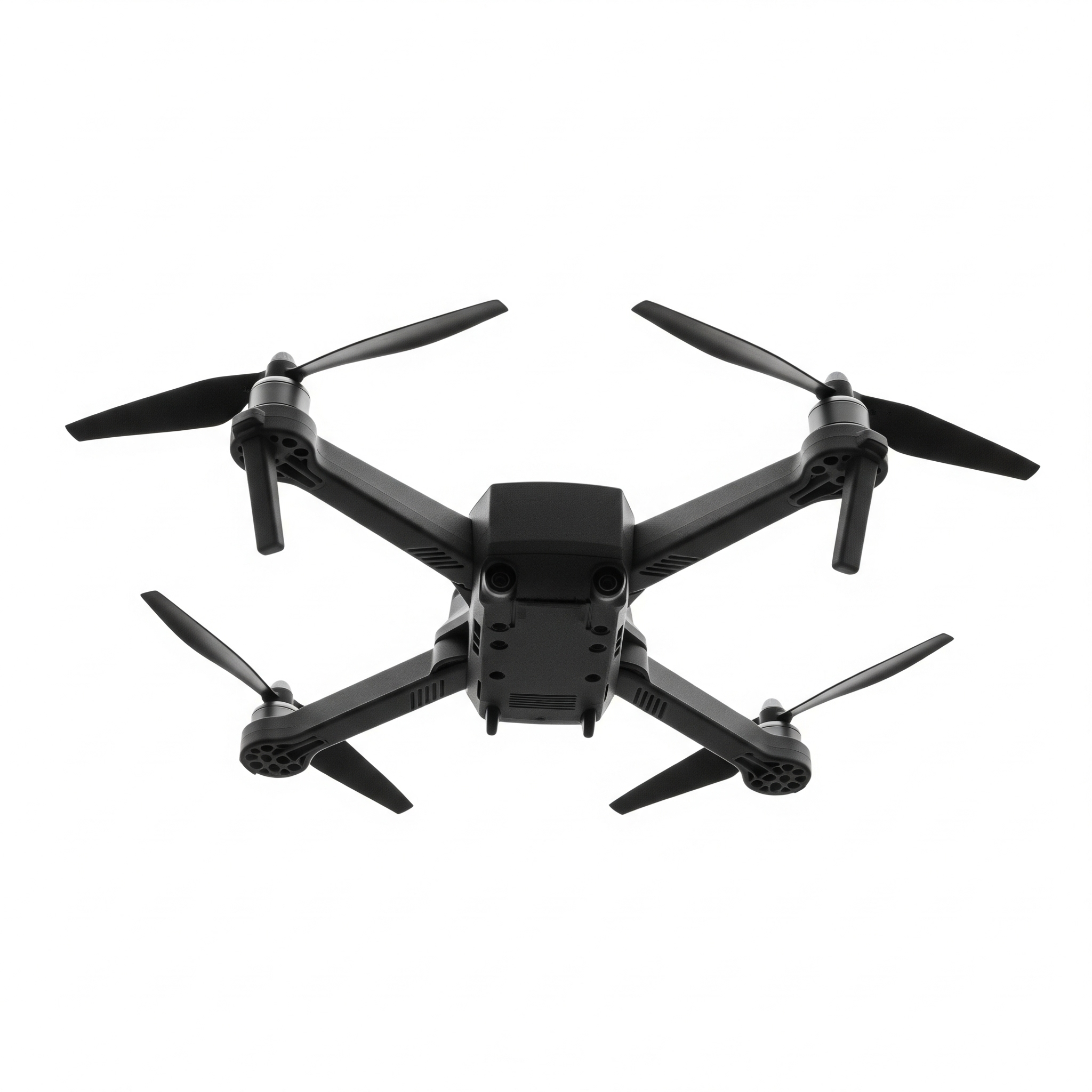
Public safety agencies often use multi-rotor drones that are capable of vertical takeoff and landing (VTOL) and can hover in place. Examples include models from manufacturers like DJI and Autel, such as the DJI Matrice 30T and Autel EVO Max 4T, which are known for their long flight times, durable design, and advanced camera systems (including thermal and zoom lenses) that are essential for emergency response.
Challenge: Search and Rescue
Your mission is to find the missing hiker and report the hiker's location to command.
Your Goal: Guide the drones to the hiker's location. Then avoid all the obstacles and make it to the landing zone. The hiker's location will give you one survey point. Once you have surveyed all spots then land at the target location. Some obstacles you can fly over if they are under 300 feet.
Code Your Drone
Drone Simulation