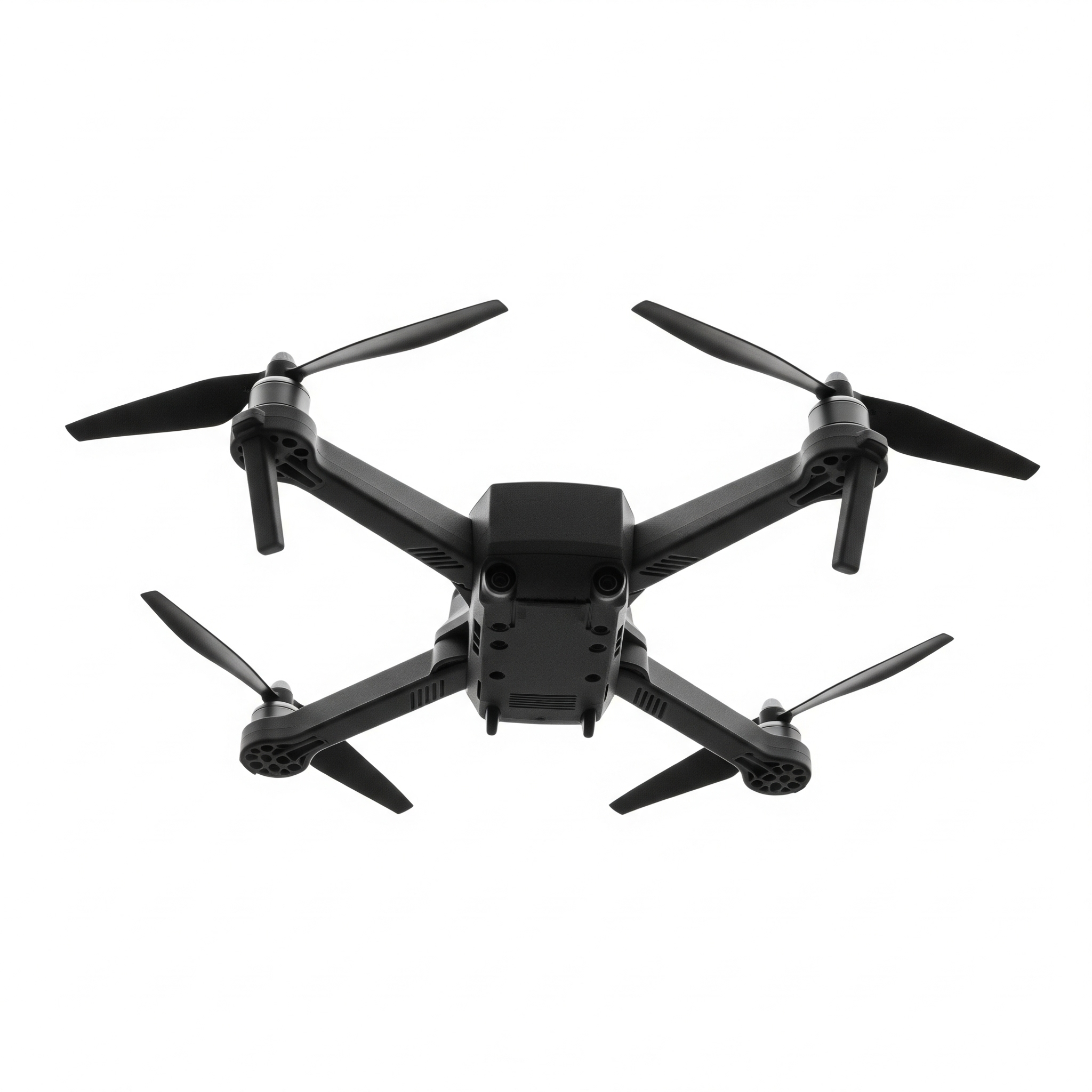
The Role of Drones in Logistics and Delivery
In logistics and delivery, the use of drone technology is rapidly evolving, offering a modern solution to long-standing challenges. Drones, or Unmanned Aerial Vehicles (UAVs), are proving to be particularly effective for "last-mile" deliveries, which is the final leg of a package's journey from a transportation hub to the customer's doorstep.
Key Applications
- Medical Deliveries: Drones are used to transport urgent medical supplies, such as vaccines, blood samples, and lab specimens, to hospitals and clinics in remote or hard-to-reach areas, especially during emergencies. Zipline, for example, is a company that has made thousands of medical deliveries, significantly reducing the time it takes to get life-saving supplies where they are needed.
- E-commerce and Retail: Companies like Amazon (with its Prime Air service) and Walmart are testing drone delivery for small, lightweight consumer goods. This application is designed to provide customers with an even faster delivery option, in some cases promising deliveries in under 30 minutes.
- Food and Groceries: WSeveral companies, including Flytrex and Manna, have launched drone delivery services for prepared food and groceries, allowing customers to receive their orders quickly and without traffic delays.
- Speed and Efficiency: Drones can bypass road traffic and take the most direct route to a destination, significantly reducing delivery times. This is especially beneficial for time-sensitive items.
- Reduced Costs: While the initial investment in drone technology and infrastructure is high, the long-term operational costs can be lower. Drones require less maintenance and eliminate the need for fuel and labor associated with traditional delivery vehicles.
- Sustainability: Drones are typically battery-powered, resulting in zero emissions during flight. This offers a more environmentally friendly alternative to gasoline-powered delivery trucks, contributing to a reduction in traffic congestion and carbon footprints.
- Enhanced Accessibility: Drones can access locations that are difficult for traditional vehicles to reach, such as islands, mountainous regions, or areas affected by natural disasters.
Benefits of Drone Delivery
Challenges and Future Outlook
Despite the benefits, drone delivery faces a number of hurdles. Regulatory frameworks are still developing, and issues like air traffic management, privacy concerns
from the public, and noise pollution need to be addressed. Technological limitations also exist, including a limited flight range due to battery life and a small
payload capacity, which restricts the size and weight of deliverable packages.
However, as technology advances and regulations adapt, drone delivery is expected to become an increasingly common part of the logistics landscape. The future of the
industry will likely see a hybrid model where drones work in tandem with traditional delivery methods to create a more efficient, sustainable, and responsive supply chain.
Challenge: Make the deliveries
Your mission is to successfully deliver all of the packages to the delivery sites.
Your Goal: Guide the drones to all of the "x" delivery sites. Avoid the obstacles along the way and make sure to deliver as quickly as possible. Each square will give you one survey point. Once you have surveyed all spots then land at the target location. Some obstacles you can fly over if they are under 300 feet.
Code Your Drone
Drone Simulation